
menu

If you’re a content creator who’s been wondering whether to add a blog to your mix… or if you’re anything like 99% of my family and friends and you’ve seen “full-time blogger” over and over and wondered if it’s real… you’re in the right place. Blogging for content creators isn’t just “writing about your life on the internet” anymore. It’s one of the most profitable, sustainable and underrated long-term career moves a creator can make, especially when paired with the platforms you’re already using.
As someone who’s worked as a Pinterest manager for bloggers for the last 7+ years, I can tell you blogging as a career is real, and if you’re already creating content somewhere else (Instagram, TikTok, YouTube, LTK), you have a head start. Let’s dig into what blogging as a career actually looks like, how content creators can make the leap and where Pinterest comes in for monetizing your blog.
Full-time bloggers are either media platforms or personal brands or some fun combo of both. They make their entire income by monetizing their content, selling their own products and/or partnering with brands who hire them to advertise their products. They can replace their entire income with these different revenue streams, and they have a website that likely gets 50K+ website visitors/month (this is not a hard and fast rule, just a common thing I have seen).
For some reason, the term “blogger” can get a bad wrap. People like to refer to themselves as “full-time content creators” instead, which can be confusing. In my opinion, all bloggers are content creators, but not all content creators are bloggers.
Bloggers always have a home base website that they create consistent blogs and content on. They prioritize long-form content and monetize their website (display ads, affiliate links, sponsored blog posts, digital products, etc.).
Content creators often prioritize social media and make more short-form content. While they also monetize with affiliate links, often sponsored social media posts (i.e. a brand paying them to make an Instagram reel) is how the majority of their income is made. They direct people to become social followers first and then send them to affiliate platforms, like LTK or their Amazon shop second.
If you’re already a content creator, you have something most brand-new bloggers don’t: an audience, a niche and a voice. The good news is you don’t have to start from scratch. You just have to translate what you’re already doing into long-form, searchable content that lives on your own platform (instead of someone else’s algorithm).
Here’s the playbook I recommend to creators making the leap:
Your blog shouldn’t just be a transcript of your Reels. A should be both a deep-dive companion to your short-form content (the “click the link in bio for the full breakdown”) to give more context to your social communities as well as an SEO funnel that brings strangers to you from Google and Pinterest. The balance between connecting with new readers and nurturing returning community members is a fine one, but an important one!
I recommend self-hosted WordPress for any creator serious about turning blogging into income. It has become the “standard” in the blogging world. Once you hit their traffic thresholds, you can join ad networks like Journey, Mediavine or Raptive, you can easily embed LTK and ShopMy widgets and it’s incredibly beginner-user friendly.
Your first 10 blog posts should not be new ideas. They should be your best-performing TikToks, Instagram or YouTube posts expanded into searchable, 800–1,500-word articles. You already know the content resonates. Now you’re giving it a home that Google can index and you can link to on Pinterest.
The other route you can take is to put multiple similar content into a larger blog post (aka a round-up). How many times have you shared an outfit in the same wide leg jeans or a type of rice bowl recipe? How can you package that together to be an informative and enticing long-form content for search engines?
The biggest mistake creators make when they start blogging is writing the way they talk on social… either too cutesy or too personal. Google and Pinterest can’t rank diary style content or indirect titles and keywords. Every post needs a keyword (one main, two or three supporting), a clear H1 with that keyword in it, and at least one section that answers the literal question someone would type into Google. It’s the same thing for Pinterest. They use the platform to find something they specifically need more inspiration, information, education or products for. They initially just want that information not to connect with you as a person.
Think “what are people actually typing into search bars when they want the information I shared here?”
SEO and Pinterest both take 3–6 months to compound. If you wait until you’re ready to monetize to start optimizing, you’ve added 6 months to your runway. Start pinning your posts, building internal links, and growing an email list from day one… even if it’s messy.
Nowadays, being a media site with even the highest quality content is not enough. People want to know, like and trust who they are buying from. That is why many bloggers are also personal brands. They showcase their personality, their interests, their aesthetic, their ethos in order to connect with their audience. The audience will follow on social, subscribe to their e-mail list and come back to each post because they’re genuinely interest in the person.
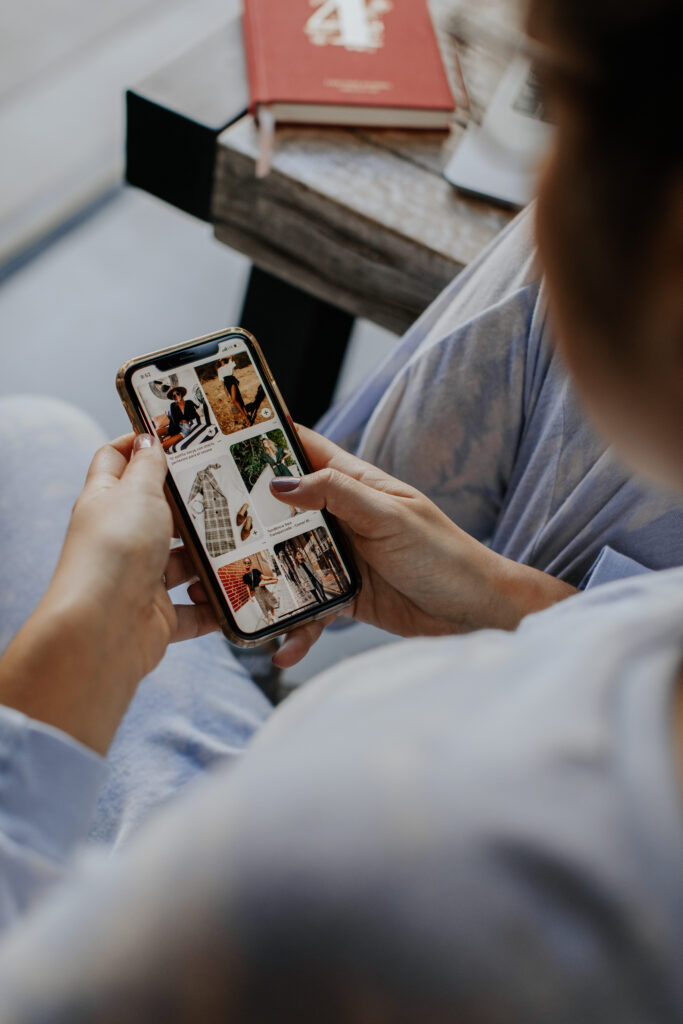
Building a personal brand is essential for most bloggers nowadays. This allows people to become much more invested in a blogger’s content and want to keep coming back for more. It also helps bloggers stand out in a sea of information.
There are various way to monetize your blog, but essentially you can either promote other people’s products, promote your own products or services OR do a combination of both. I have seen bloggers become the most successful when they diversify their revenue streams rather than rely on just one source of income. That helps bloggers stabilize their income rather than having huge feast or famine periods.
Because blogging as a career entails getting people to your long form content, it’s extremely important for bloggers to focus on how they get people to their content in the first place. You can have a stunning website with high-quality content and 0 people reading your content which will not help you go full-time.
When it comes to driving traffic to your blog, the main two traffic drivers for lifestyle bloggers are Google and Pinterest. Google is fairly obvious, we go to Google to get answers or read content about a topic we’re interested in and Google serves up the most relevant content to our query. Much of the content Google will show first are blog posts, because brands and bloggers are using SEO/ Search Engine Optimization to get their content to rank higher to be seen by more of their ideal readers.
Pinterest, on the other hand, is often misunderstood and underutilized. Bloggers can use Pinterest the same way these utilize Google for equal or even better results as a traffic driver.
Pinterest is more akin to Google than Instagram. I say that at least 1 billion times a week, but it’s always important to revisit. Pinterest is top of funnel for bloggers meaning it’s the way people find their blogs. This trickles down to every other goal they have.
People go to Pinterest to search for ideas, tips, inspiration, things to buy, tutorials, etc. When they search your niche, you want your content to come up as the solution to that search. The higher your content ranks in Pinterest, the more likely people are to click through your Pin to your website. Then, you have these Pinners on your turf and can convert from there. They’ll see your valuable content and decide whether they want more from you. From there, they’d hop on your e-mail list, follow you on social, purchase a low ticket offer, etc.
Pinterest sends people searching for exactly what you already create content on from the platform to your site.
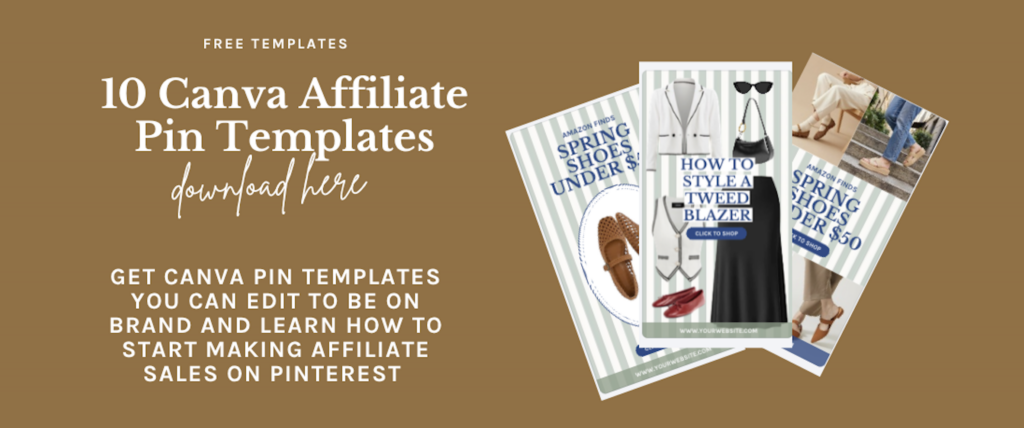
Once you understand how Pinterest can work as a traffic driver, it’s smart to get started utilizing it early. Like Google, Pinterest takes time to categorize and index your content. It needs to gauge what content you create and who it should put it in front of. The sooner you get started, even if it’s messy, the more traffic you will get from Pinterest later on. As you perfect your Pinterest strategy and grow your blogging business, your Pinterest results will grow with it.
I have beginner Pinterest tips for bloggers (including how to set up your profile) in my Bare Pinimum e-book. This weekly Pinterest checklist for bloggers is a great place to start too. Check it out as your get started!
If you’re looking into getting started blogging, I would recommend you do a few things:
People become bloggers every day and turn into full-time bloggers without huge social media followings. It’s SO possible if you’re just strategic and smart about diversifying your revenue streams and marketing platforms. You CAN do it, and I’m here to help… especially with the Pinterest marketing and Pinterest education side of things.
If you’re a content creator wanting to start a blog, focus on three things: own your platform (self-hosted WordPress is the standard), repurpose your best-performing short-form content into long-form posts, and optimize every post for both Google and Pinterest from day one. Don’t treat your blog like a journal… treat it like a searchable extension of the content you’re already known for.
Yes, absolutely. Display ad networks like Mediavine and Raptive are paying well (Pinterest often has higher RPM’s too), the bloggers have this to hold them afloat ON TOP of brand deals that influencers have. They can rely on different aspects to bring them through slower times in one side of the business.
No. Some of the most profitable bloggers I work with have less Instagram followers but 10’s of thousands of monthly website visitors from Pinterest and Google. A blog’s ceiling isn’t set by your current audience. It’s set by how well you understand search and how consistently you publish to reach new people.
Also, a lot of them use email marketing which is huge in helping them get repeat readers to the blog for every new post.
Both, but in different roles. Social is for nurturing and working with brands. Your blog is your owned land: slower to grow, but compounding, monetizable in more ways and unaffected when a platform changes its rules. In most cases, social will pay you faster, but a blog will pay you longer and more consistently.

[…] How To Turn Blogging Into Your Career […]